Pakistan and the United States have concluded a trade agreement expected to lower tariffs on bilateral trade, Pakistani officials announced late Wednesday, though no specific tariff rates were disclosed. US President Donald Trump separately said the agreement includes cooperation to help develop Pakistan’s oil reserves, signalling a broader economic partnership between the two countries.
Pakistan’s Finance Minister Muhammad Aurangzeb, who is currently in Washington for negotiations, confirmed the conclusion of the deal following meetings with senior US officials. In a post on X early Thursday, the Pakistani embassy in Washington described the agreement as a “landmark development” aimed at boosting bilateral trade, expanding market access, attracting investment, and fostering cooperation in areas of mutual interest.
President Trump announced the agreement on his social media platform Truth Social, stating that the United States and Pakistan would work together on developing Pakistan’s “massive oil reserves.” He added that the process of selecting an oil company to lead the partnership was underway and speculated that Pakistan could potentially become an oil supplier to India in the future.
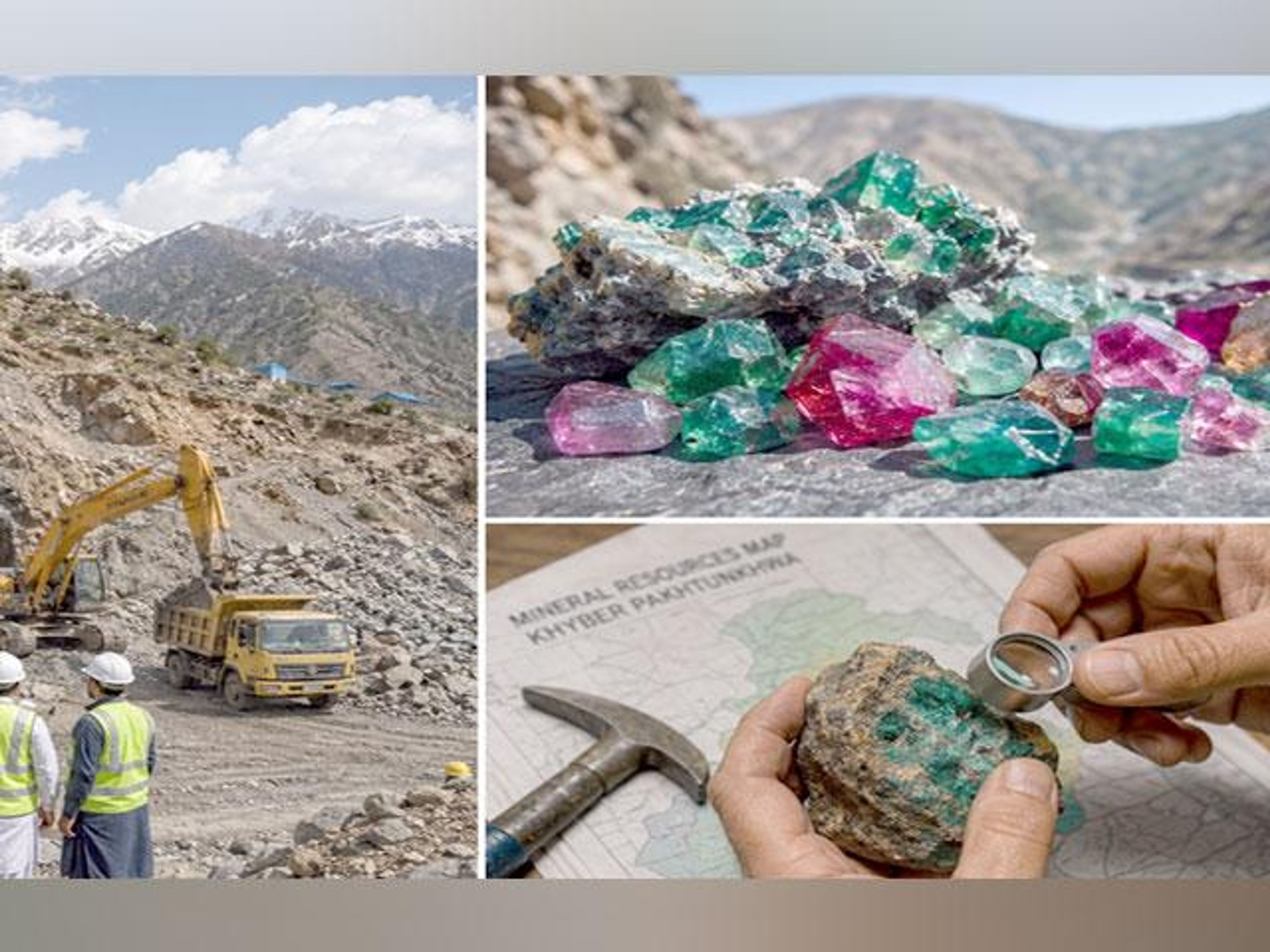
While neither side formally announced the agreed tariff rates, the Pakistani embassy said the deal would result in a reduction of reciprocal tariffs, particularly on Pakistani exports to the United States. The embassy added that the agreement marked the beginning of a new phase of economic collaboration, especially in energy, mines and minerals, information technology, cryptocurrency, and other sectors.
According to the embassy, the agreement complements Pakistan’s broader efforts to expand the scope of economic ties with the United States, including partnerships at the US state level. It is expected to enhance Pakistan’s access to the US market and encourage increased American investment in Pakistan’s infrastructure and development projects.
The deal was finalised during a meeting involving Finance Minister Aurangzeb, US Secretary of Commerce Howard Lutnick, and US Trade Representative Ambassador Jamieson Greer. Pakistan’s Commerce Secretary Jawad Paul and Ambassador to the United States Rizwan Saeed Sheikh were also present.
Prime Minister Shehbaz Sharif welcomed the agreement and thanked President Trump for his leadership role, describing the deal as historic. In a post on X, Sharif said the agreement would enhance cooperation between the two countries and expand the frontiers of their enduring partnership. Foreign Minister Ishaq Dar also confirmed the agreement earlier in the day, though he did not provide further details.
In a video message released by Pakistan’s Ministry of Finance, Aurangzeb described the agreement as a “win-win” outcome and said it marked the culmination of negotiations that began several months earlier. He said the talks addressed non-tariff barriers, trade imbalances, and tariff lines on both sides, and emphasised that trade and investment must progress together.
Aurangzeb highlighted the role of Pakistan’s private sector in the negotiations, noting that businesses had offered support in addressing the trade imbalance. He thanked the commerce secretary, Pakistan’s ambassador to the United States, and their teams, crediting teamwork for reaching the agreement. He added that Pakistan was now in a strong position ahead of August 1 and said the broader strategic partnership between Pakistan and the United States would continue to strengthen.
Pakistan, which the United States has designated a “major non-NATO ally” as part of Washington’s efforts to counter China’s influence in the region, had faced a potential tariff of 29 per cent announced in April. That tariff was later suspended for 90 days to allow time for trade negotiations. Last week, Ishaq Dar said the two countries were very close to a deal after meeting US Secretary of State Marco Rubio, with discussions focusing on expanding trade and cooperation in critical minerals and mining.
Under President Trump, the United States has sought to renegotiate trade arrangements with numerous countries, often threatening higher tariffs over what he has described as unfair trade practices, a view disputed by many economists. According to the Office of the US Trade Representative, total US goods trade with Pakistan was estimated at $7.3 billion in 2024, up from about $6.9 billion in 2023. The US goods trade deficit with Pakistan reached $3 billion in 2024, an increase of 5.2 per cent from the previous year.
The announcement also drew domestic criticism. Former Senate chairman Mian Raza Rabbani said it was concerning that Pakistanis learned about an oil exploration deal through a social media post by the US president. He stressed that such agreements fall under Article 172 of Pakistan’s Constitution, which grants provinces 50 per cent ownership of lands, minerals, and other natural resources.
Rabbani called on the federal government to take Parliament into confidence on what he described as new Western-oriented initiatives. He urged the government to convene a meeting of the Council of Common Interests and consult provincial governments on the deal and other related projects.