Introduction
Pakistan’s federal budget for the fiscal year 2025–26, presented by Finance Minister Muhammad Aurangzeb on June 10, 2025, and signed into law by President Asif Ali Zardari on June 30, 2025, represents a critical attempt to navigate the country’s complex economic challenges.¹ With a total outlay of Rs. 17.57 trillion—6.9% smaller than the previous year—the budget emphasizes fiscal consolidation, revenue enhancement, and social protection while aligning with International Monetary Fund (IMF) requirements.²
Key Budgetary Targets and Fiscal Framework
The budget sets ambitious macroeconomic targets: GDP growth of 4.2%, inflation containment to 7.5%, and a reduction of the fiscal deficit to 3.9% of GDP. A primary surplus of 2.4% is projected for the third consecutive year, underscoring a commitment to fiscal discipline.³
Revenue Mobilization: Ambitious Targets and Structural Challenges
The Federal Board of Revenue (FBR) has been set a revenue target of Rs. 14.1 trillion, implying an 18.7% growth rate—the slowest in six years.⁴ This target is pursued amid a chronic tax gap estimated at Rs. 5.5 trillion and a stagnant tax-to-GDP ratio of around 10%.⁵ While the government has introduced measures like AI-based and faceless audits, achieving the aspirational 14% tax-to-GDP ratio requires deeper institutional reforms.
Tax Policy: Progressive Relief and New Levies
The Finance Bill introduced a mix of relief and revenue measures:
- Income Tax: Salaried individuals earning up to Rs. 600,000 annually are exempt. A 1% rate applies to incomes between Rs. 600,000 and Rs. 1.2 million. Full exemptions were granted to pensions, gratuities, widows of former presidents, and citizens above 75.⁶
- Digital Taxation: A new final tax regime for e-commerce includes a 1% levy on online payments and 2% on cash-on-delivery. A 'Digital Presence Proceeds Tax' was introduced for international digital services like cloud computing and streaming.⁷
- Controversies and Exemptions: The digital taxes have raised concerns among freelancers and gig workers about stifling innovation. Simultaneously, tax exemptions worth Rs. 5.84 trillion persist for sectors like real estate and agriculture, highlighting unresolved issues in tax equity.⁸
Expenditure Priorities and Fiscal Pressures
Total expenditure is capped at Rs. 17.57 trillion, with stringent allocations:
- Debt Servicing: Consumes nearly half the federal budget (Rs. 8.2 trillion), with Rs. 7.2 trillion for domestic and Rs. 1 trillion for foreign debt.⁹
- Defense Spending: Allocated Rs. 2.55 trillion, constituting 14.5% of the total outlay.¹⁰
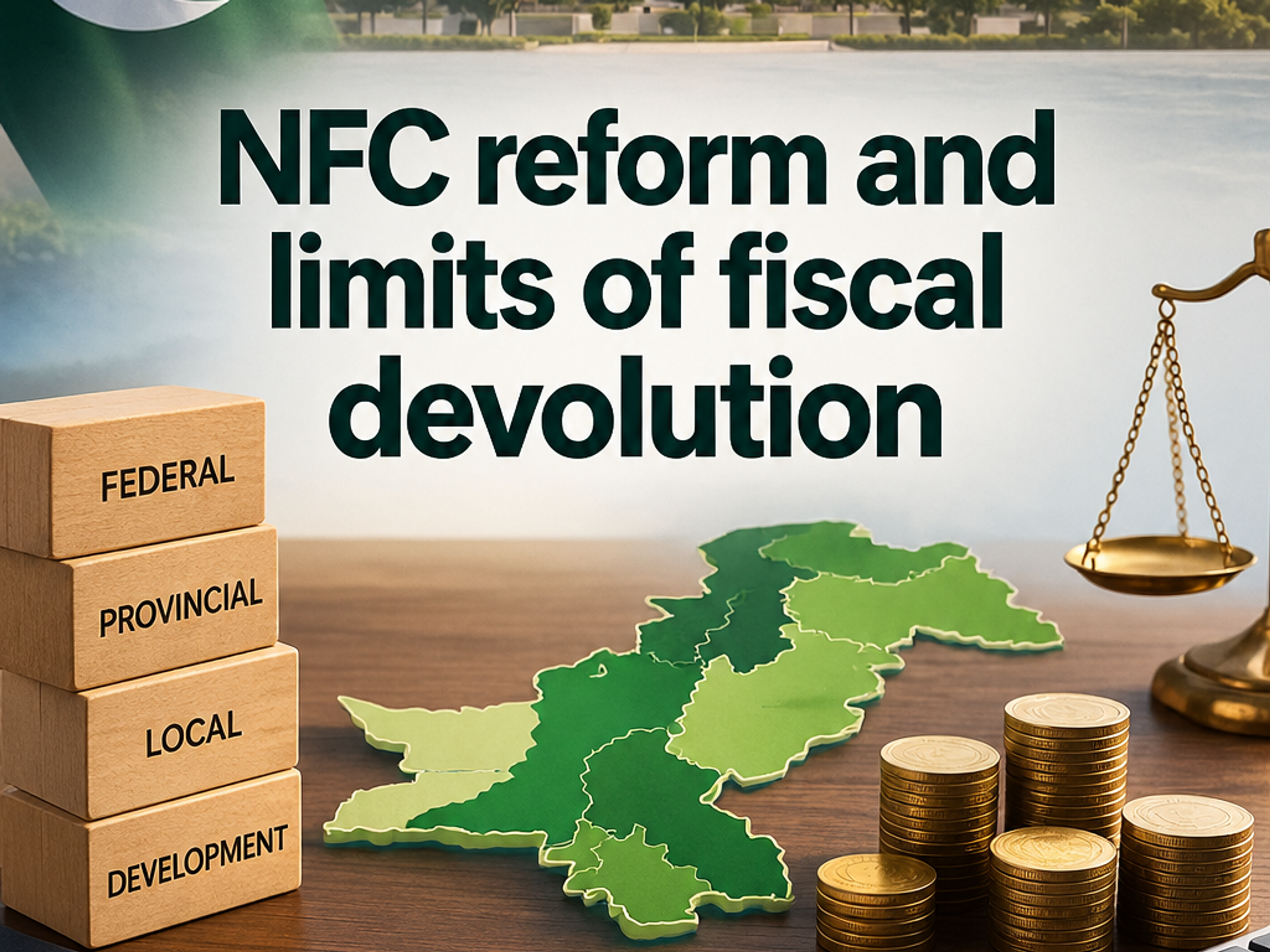
- Provincial Transfers: Under the NFC Award, provinces will receive Rs. 8.2 trillion—nearly half the federal budget—while contributing only about 1% to national revenue, perpetuating fiscal dependency.¹¹
Development Spending and Social Protection
The national Public Sector Development Programme (PSDP) is Rs. 4.22 trillion, with the federal share at Rs. 1 trillion. Provincial development spending saw a significant 36.9% increase to Rs. 2.87 trillion.¹² The PSDP was rationalized, with 118 projects adjusted or streamlined.¹³
Social protection received a strong emphasis:
- The Benazir Income Support Programme (BISP) allocation was raised by 21% to Rs. 716 billion, aiming to cover 10 million households.¹⁴
- Government salaries were increased by 10% and pensions by 7%, with additional relief for military personnel and certain civilian allowances.¹⁵
- Tax exemptions were granted to 107 institutions in health and education, including Shaukat Khanum Hospital, Edhi Foundation, LUMS, and GIK Institute.¹⁶
IMF Alignment and Structural Reforms
The budget closely follows IMF prescriptions, focusing on withdrawal of tax exemptions, increased petroleum levies (projected to yield Rs. 1.47 trillion), and aggressive privatization.¹⁷ The government expects Rs. 87 billion from the privatization of Pakistan International Airlines (PIA) alone.¹⁸
Sectoral Allocations and Strategic Initiatives
- Energy: Rs. 90.2 billion was allocated for 47 projects, mainly in hydropower and grid expansion, while efforts continue to manage the circular debt of Rs. 2.39 trillion.¹⁹
- Agriculture: The sector, projected to grow 4.5%, received mixed policy signals, with strong rice exports but inconsistent support for wheat and cotton.²⁰
- Climate Finance: Allocations remain modest. A carbon levy of Rs. 2.50 per litre is expected to raise Rs. 45 billion.²¹ Climate Budget Tagging (CBT) was adopted, though allocations favor mitigation (Rs. 603 billion) over adaptation (Rs. 85 billion).²²
- Industry and IT: The IT sector, with exports of $3.5 billion (up 32%), was a focus alongside SME support—95,000 businesses accessed Rs. 311 billion in financing via SMEDA.²³
Conclusion: A Pragmatic Balance
The FY2025–26 budget is a pragmatic document that seeks to stabilize Pakistan's economy through fiscal consolidation and IMF-aligned reforms while providing measured social relief. It introduces innovative measures like digital taxation and attempts to boost investment in energy and social protection. However, significant challenges persist: an overburdened federal fisc due to imbalanced revenue sharing, an ambitious tax collection target amid a narrow base, and underfunding for critical areas like climate adaptation. The budget's success hinges on effective implementation, sustained political will for structural reforms, and ensuring that austerity measures do not exacerbate social inequality.
References
- “President Zardari signs Finance Bill 2025-26 into law,” Tribune, June 30, 2025.
- Irfan Sadozai, Tahir Sherani, “Budget FY26: Pakistan targets 4.2pc growth, slashes overall spending,” Dawn, June 10, 2025.
- Ibid.
- “Finance minister unveils Rs17.6tn budget, targets 4.2% growth,” Tribune, June 10, 2025.
- “National Assembly approves Rs17.57 trillion federal budget for FY2025–26,” Profit, June 26, 2025.
- Syed Shabbar Zaidi, “A comment on Finance Act 2025—I,” Business Recorder, July 1, 2025.
- Shahbaz Rana, “Tax exemption costs jump to Rs5.8tr,” Tribune, June 10, 2025.
- “Pakistan’s debt servicing to consume 46.7% of federal budget in FY2025-26,” Profit, June 11, 2025.
- Sadozai & Sherani, Dawn.
- “Decoding the Rs 17.57 trillion federal budget,” Profit, June 10, 2025.
- Sadozai & Sherani, Dawn.
- Zaki Abbas, “Analysis: Budget 2025-26 — Climate budget a ‘walking contradiction’,” Dawn, June 16, 2025.
- “Highlights of Budget 2025-26,” Mettis Global, June 10, 2025.
- Irfan Sadozai, “Finance Bill sails through parliament to greenlight Rs17.57tr budget,” Dawn, June 26, 2025.
- “Pakistan’s debt servicing to consume 46.7% of federal budget,” Profit.
- “Decoding the Rs 17.57 trillion federal budget,” Profit.
- Sadozai & Sherani, Dawn.
- “Key highlights of Pakistan budget for 2025-26,” Business Recorder, June 11, 2025.
- Yousuf Nazar, “Pakistan Budget 2025–26: Austerity For The Many, Privilege For The Few,” Friday Times, June 12, 2025.