When the Campus Feels Unsafe—But Not Physically
Ahmed is doing well academically at a top university. His grades are solid, his CV is growing, and his future seems “secure.” Yet, somewhere between lectures on progress, late-night debates in hostels, and social media outrage cycles, he feels quietly disoriented. He avoids certain questions in class. He downplays his faith to seem “reasonable.” He consumes ideas confidently—but rarely interrogates them.
Nothing hostile has happened. No one has threatened him. And yet, something feels unsafe—not his body, but his mind.
For many Muslim students today, the university is both opportunity and unease. It offers knowledge, exposure, and mobility—but also pressure to conform intellectually. Faith is tolerated privately but treated suspiciously when it shapes public reasoning. Convictions are welcome only if they dissolve under scrutiny.
This is not about victimhood. It’s about preparedness. The real challenge on modern campuses is not lack of access—but lack of intellectual sanctuary: spaces where young Muslims can think deeply, critically, and ethically without surrendering their moral compass. What’s needed today is not withdrawal from knowledge—but a Hijrah of the mind.
Why This Issue Exists
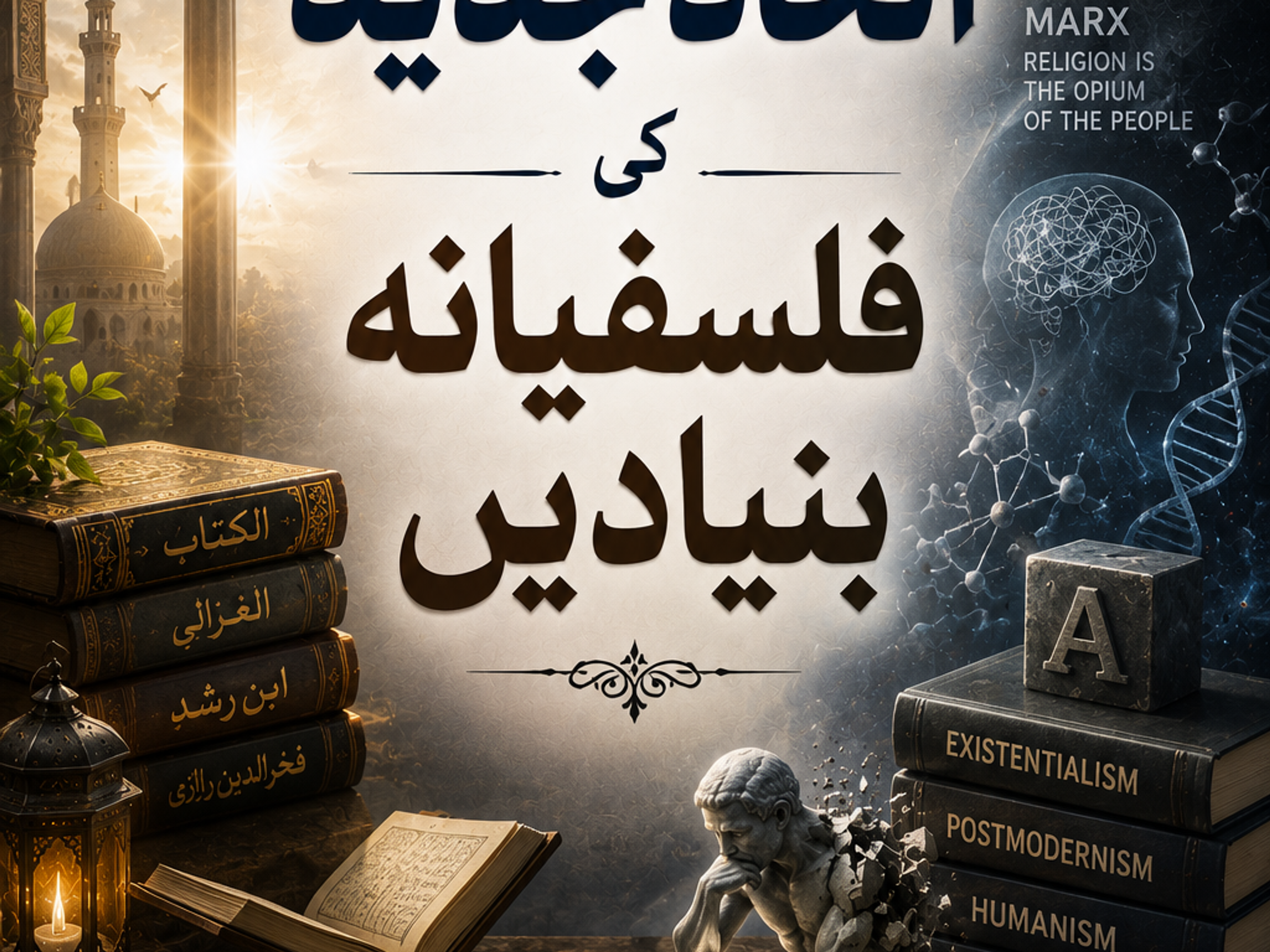
Modern universities pride themselves on openness, yet they are shaped by powerful, often unspoken assumptions: material success as the primary goal, individual autonomy as the highest good, and religion as a private inconvenience rather than a public source of meaning.
For Muslim students, this creates a subtle tension. You are encouraged to question everything—except the worldview doing the questioning. Islam enters discussions as culture or politics, rarely as a serious moral or intellectual tradition. Over time, students either disengage, become defensive, or unconsciously internalize frameworks that hollow out their beliefs.
This isn’t a conspiracy. It’s a structural imbalance—one where confidence in Western intellectual traditions isn’t matched by literacy in others.
What Students Often Get Wrong
Many Muslim students respond in two unhelpful ways:
- Intellectual retreat: avoiding difficult ideas to “protect iman,” mistaking isolation for faithfulness.
- Uncritical assimilation: absorbing dominant ideas unquestioningly, assuming confidence equals correctness.
Both miss the point. Islam has never feared knowledge. But it has always insisted on ethical orientation—the idea that learning must serve truth, justice, and human dignity, not ego or power.
The problem is not exposure to new ideas. It’s exposure without grounding.
Impact on Muslim Identity & Society
When students lack intellectual sanctuary, the effects ripple outward. Faith becomes fragmented—personal rituals disconnected from public reasoning. Career choices become value-neutral. Civic engagement weakens.
A generation that cannot articulate why it believes what it believes will struggle to lead—whether in policy, media, education, or community life. Pakistan, already facing moral and institutional crises, cannot afford graduates who are skilled but unanchored.
Strong societies are built not only by technical experts, but by morally literate thinkers.
Hijrah as Transformation, Not Escape
Hijrah in Islam was never merely geographical. It was a reorientation of loyalty, thought, and purpose. The Prophet ﷺ and the early Muslims did not flee Makkah because ideas were debated—but because truth was being suffocated.
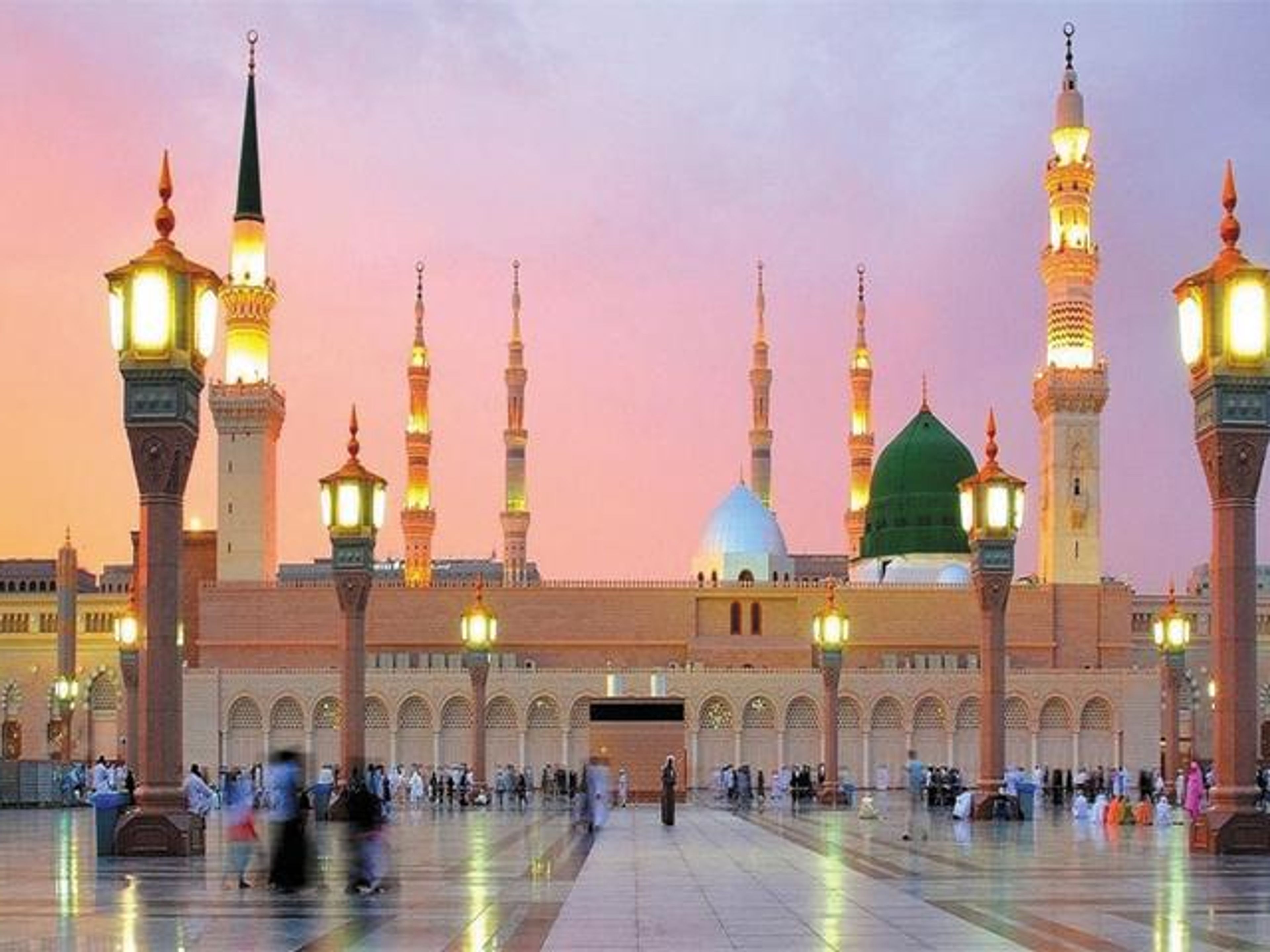
In Madinah, a new intellectual and moral sanctuary emerged—one that welcomed dialogue, treaties, disagreement, and learning, while remaining anchored in divine ethics.
The Qur’anic model repeatedly invites reflection, questioning, and reasoning—but within a moral universe where knowledge is a trust (amanah), not a weapon. This balance is what Muslim students must recover: critical openness without moral homelessness.
Ethical Tensions on Campus
Muslim students today navigate real dilemmas:
- How do you engage freely without diluting faith?
- How do you challenge ideas without sounding defensive or preachy?
- How do you belong without disappearing?
An intellectual sanctuary does not mean being “safe from challenge.” It means being safe to be challenged—without being forced to abandon your ethical foundations. True education, Islamic or otherwise, should unsettle arrogance, not conscience.
Action Framework | If You’re a Student, Here’s Your Roadmap
- Build epistemic confidence: Study your discipline and Islamic intellectual traditions seriously. Superficial faith collapses under pressure; informed faith evolves.
- Create micro-sanctuaries: Reading circles, discussion groups, or reflective journaling—spaces where ideas meet ethics.
- Practice principled engagement: Ask questions. Disagree respectfully. Let Islam inform how you think, not just what you believe.
- Align career with conscience: Success without moral direction is not progress. Reflect early on purpose, not just pay.
- See yourself as a bridge: Between faith and modernity, Pakistan and the world, conviction and compassion.
Closing Reflection | From Survival to Stewardship
The goal is not to turn universities into religious enclaves, nor to shield students from discomfort. The goal is to produce graduates who are intellectually courageous and morally rooted.
A modern campus will always be a place of encounter—with difference, doubt, and discovery. The question is whether Muslim students arrive as spectators, imitators, or trustees of meaning.
The Hijrah of the mind is not about leaving the world—it’s about entering it with clarity. When students build intellectual sanctuaries within themselves, they don’t just survive education—they redeem it.