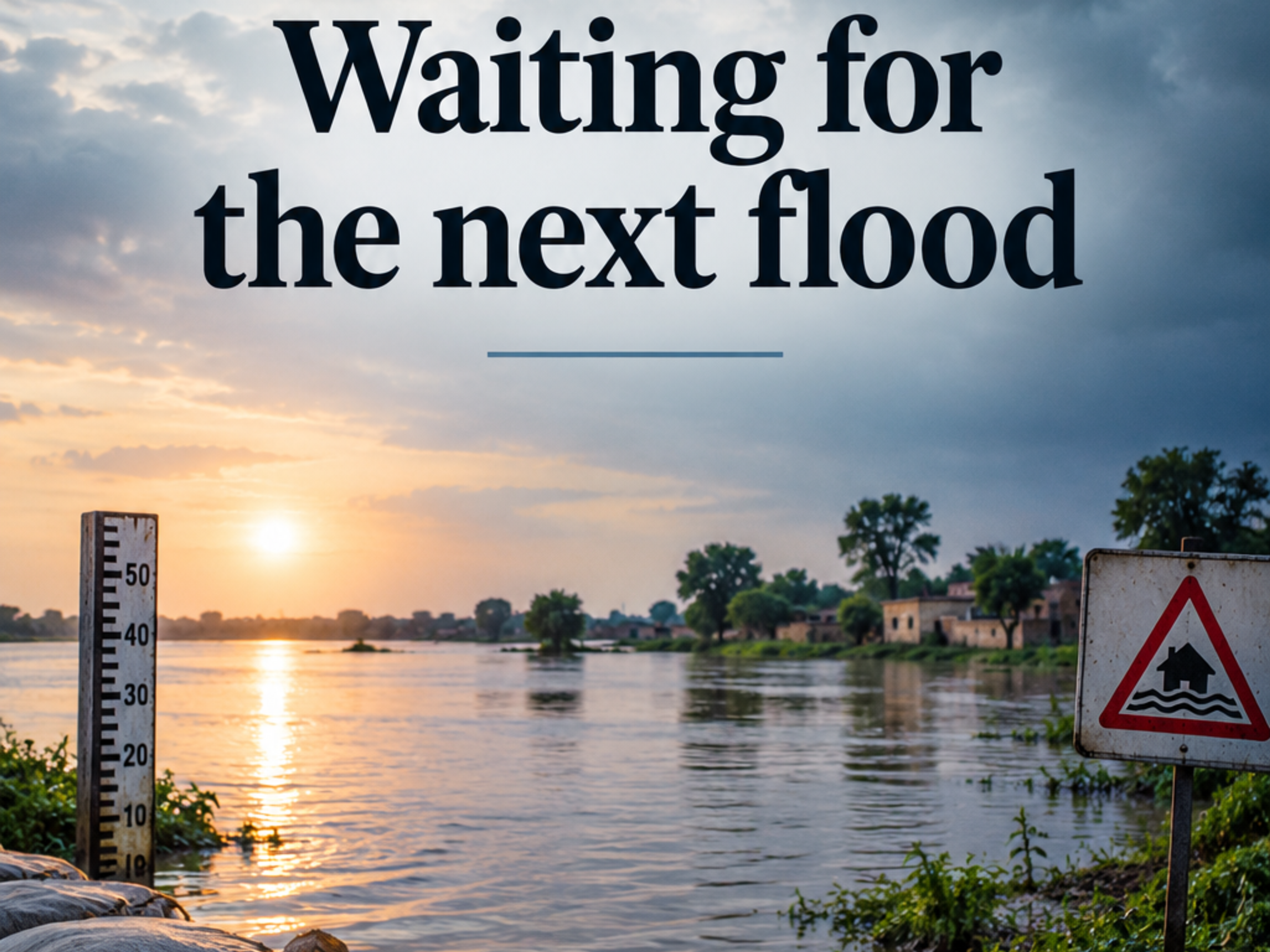
The Landmark Ruling
In July 2025, the International Court of Justice (ICJ) issued a historic advisory opinion that represents a watershed moment in international environmental law. The unanimous opinion by the court’s 15 judges authoritatively establishes the 1.5°C global temperature threshold as a legally binding benchmark for all states. This ruling imposes a concrete obligation on every nation to demonstrate the "highest possible ambition" in their climate actions, requiring alignment of their Nationally Determined Contributions (NDCs) and domestic regulations with this scientifically-defined limit. Critically, the court expanded state responsibility to encompass the full lifecycle of fossil fuels—including production, licensing, subsidies, and downstream emissions—declaring that continuing fossil fuel subsidies is potentially unlawful when incompatible with the 1.5°C target.
Five Foundational Legal Principles
The court’s reasoning crystallizes around five core principles of international law:
- The Precautionary Principle: Scientific uncertainty cannot justify inaction. The court affirmed that warnings from the Intergovernmental Panel on Climate Change (IPCC)—recognized as the "best available science"—mandate immediate protective measures.
- The Duty to Prevent Significant Harm: Under customary international law, states must exercise due diligence to prevent transboundary environmental harm. This duty now explicitly extends to all anthropogenic greenhouse gas emissions across the entire value chain.
- Common but Differentiated Responsibilities and Respective Capabilities (CBDR-RC): The court reinforced that the burdens of climate action must be distributed based on historical emissions, current capacities, and evolving circumstances. It clarified that the Paris Agreement's acknowledgment of "different national circumstances" strengthens, rather than weakens, this principle.
- Intergenerational Equity: Present generations are trustees of climate stability for future ones. The court explicitly rejected infrastructure or policy decisions that create an "emissions lock-in," jeopardizing the rights of future generations to a dignified life.
- The Duty to Cooperate: States have a binding legal obligation to collaborate on mitigation, adaptation, finance, and technology transfer. The court placed the primary responsibility for this cooperation on higher-capacity states to assist vulnerable ones.
The opinion forcefully rejected arguments that specialized climate treaties like the Paris Agreement override other international legal obligations. It confirmed these climate principles are integrated across the UN Charter, human rights law, and environmental treaties, preventing developed nations from using treaty language to evade broader legal accountability.
Pakistan’s Pioneering Jurisprudence: Ahead of the Curve
Long before the ICJ’s 2025 opinion, Pakistan’s superior judiciary had already operationalized these very principles, establishing the country as a leader in climate jurisprudence.
- Shehla Zia vs. WAPDA (1994): The Supreme Court of Pakistan enshrined the precautionary principle, ruling that scientific uncertainty requires preventive action to protect citizens' fundamental right to life.
- Asghar Leghari vs. Federation of Pakistan (2015): In this landmark case, Justice Syed Mansoor Ali Shah explicitly invoked the CBDR-RC principle, recognizing Pakistan’s minimal historical emissions while mandating climate action commensurate with national capacity. The judgment affirmed the constitutional rights of future generations to a stable climate and led to the formation of a Climate Change Commission to ensure implementation.
- D.G. Khan Cement vs. Government of Punjab (2021): The court prohibited industrial expansion in ecologically fragile zones, embodying the duty to prevent significant harm and recognizing the concepts of intergenerational justice and environmental personhood.
- Islamabad Zoo Case (2023): Justice Athar Minallah’s ruling reinforced that state neglect leading to environmental degradation constitutes a violation of fundamental rights and governmental duties.
These precedents demonstrate that Pakistan’s judiciary has provided a robust domestic legal framework that aligns with and, in many cases, predates the ICJ’s global clarifications.
Implementation Pathways and Challenges for Pakistan
The ICJ opinion offers Pakistan a powerful legal tool but also presents significant implementation challenges. The country’s political economy, fiscal constraints, institutional gaps, and current reliance on fossil fuel projects create tension with its climate obligations. The advisory opinion’s non-binding nature means enforcement relies on political will and diplomatic pressure.
However, Pakistan’s unique position as both critically climate-vulnerable and jurisprudentially advanced creates a strategic opportunity. Pakistan can leverage its own court rulings to:
- Argue forcefully on global platforms that developed countries’ obligations to provide finance and technology are binding legal duties, not voluntary aid.
- Design an evidence-based, sectoral transition strategy that prioritizes renewable energy expansion and aligns fossil fuel reduction with a just transition roadmap.
- Use its judicial legacy to champion the 1.5°C goal not just as a moral imperative but as a constitutional and legal obligation for all states.
A Call for Action and Global Leadership
The path forward requires coordinated action. Pakistan must ground its international climate diplomacy in the combined strength of the ICJ opinion and its own pioneering case law. Furthermore, recognizing the global value of its judicial expertise, Pakistan should consider nominating its recently retired climate-savvy judges for election to the ICJ in 2027, when several seats become vacant.
The ultimate challenge remains delivering tangible climate justice to frontline communities in Pakistan while holding major emitters accountable. By honoring its judicial legacy and wielding the ICJ’s authoritative opinion, Pakistan can navigate this challenge, transforming legal precedent into actionable policy that safeguards both its people and its constitutional principles for generations to come.