A Silent Emergency on Campus
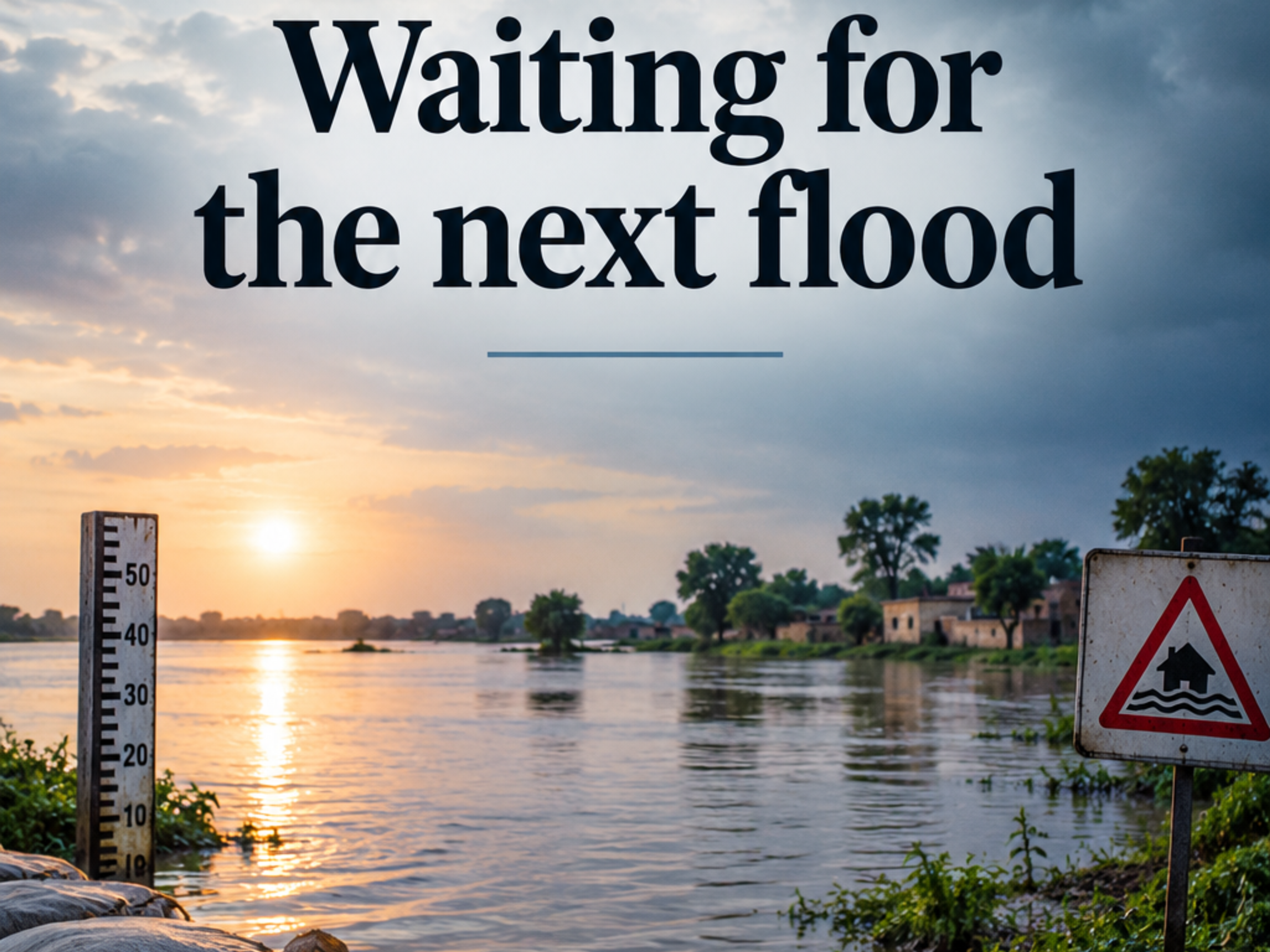
Ahmed is a university student in Lahore. His classes are cancelled again—not because of protests or exams, but because of extreme heat. The hostel water supply is erratic. Electricity outages are routine. Meanwhile, he scrolls past headlines about floods in Sindh, droughts in Balochistan, and record temperatures across the Middle East. Climate change feels everywhere—and yet nowhere.
In classrooms and khutbahs, the crisis is often discussed as a “Western problem,” or a technical issue for governments and scientists. Students are told to focus on grades, careers, and survival. But here’s the uncomfortable truth: Muslim societies are among the least responsible for global emissions, yet most vulnerable to climate breakdown.
If Islam teaches responsibility (amanah), justice (‘adl), and care for creation, then climate change is not just an environmental issue—it is a moral and civilizational test. And Muslim youth are standing right at its center.
Why This Issue Exists: Power, Oil, and Moral Delay
Climate change did not emerge in a vacuum. It is the outcome of an economic model that prioritised short-term profit over long-term stewardship. While industrialised nations led the emissions race, parts of the Muslim world—particularly oil-rich states—became deeply embedded in this fossil-fuel-dependent order.
Some Gulf countries today have higher per-capita carbon emissions than the United States, while Muslim-majority countries like Pakistan or Bangladesh contribute almost nothing comparatively—yet suffer floods, food insecurity, and water stress first. This imbalance reveals a painful contradiction:
those with financial power often resist meaningful climate action, while those with moral claims and vulnerability bear the cost.
International Muslim platforms have largely failed to lead decisively. The language of ummah unity is celebrated rhetorically, but rarely translated into climate finance, green investment, or shared responsibility. The result? A dangerous gap between Islamic ethics and political-economic practice.
What Students Often Get Wrong About Climate Change
Many university students believe climate change is either:
- Too big to influence
- Too political to touch
- Too technical to understand
- Or too distant to matter
This disengagement is not laziness—it is learned helplessness. When climate change is framed only as a government or NGO issue, students retreat into private struggles: degrees, jobs, visas, survival.
But this mindset is flawed. Climate change is already shaping:
- Job markets (green vs obsolete industries)
- Food prices and inflation
- Urban migration
- Health and mental stress
- Political instability
Ignoring climate realities does not protect your future—it weakens it. For Muslim students especially, disengagement carries a deeper cost: it disconnects faith from real-world responsibility.
Impact on Muslim Identity and Society
The Muslim world stands at a moral crossroads. Climate change exposes three uncomfortable realities:
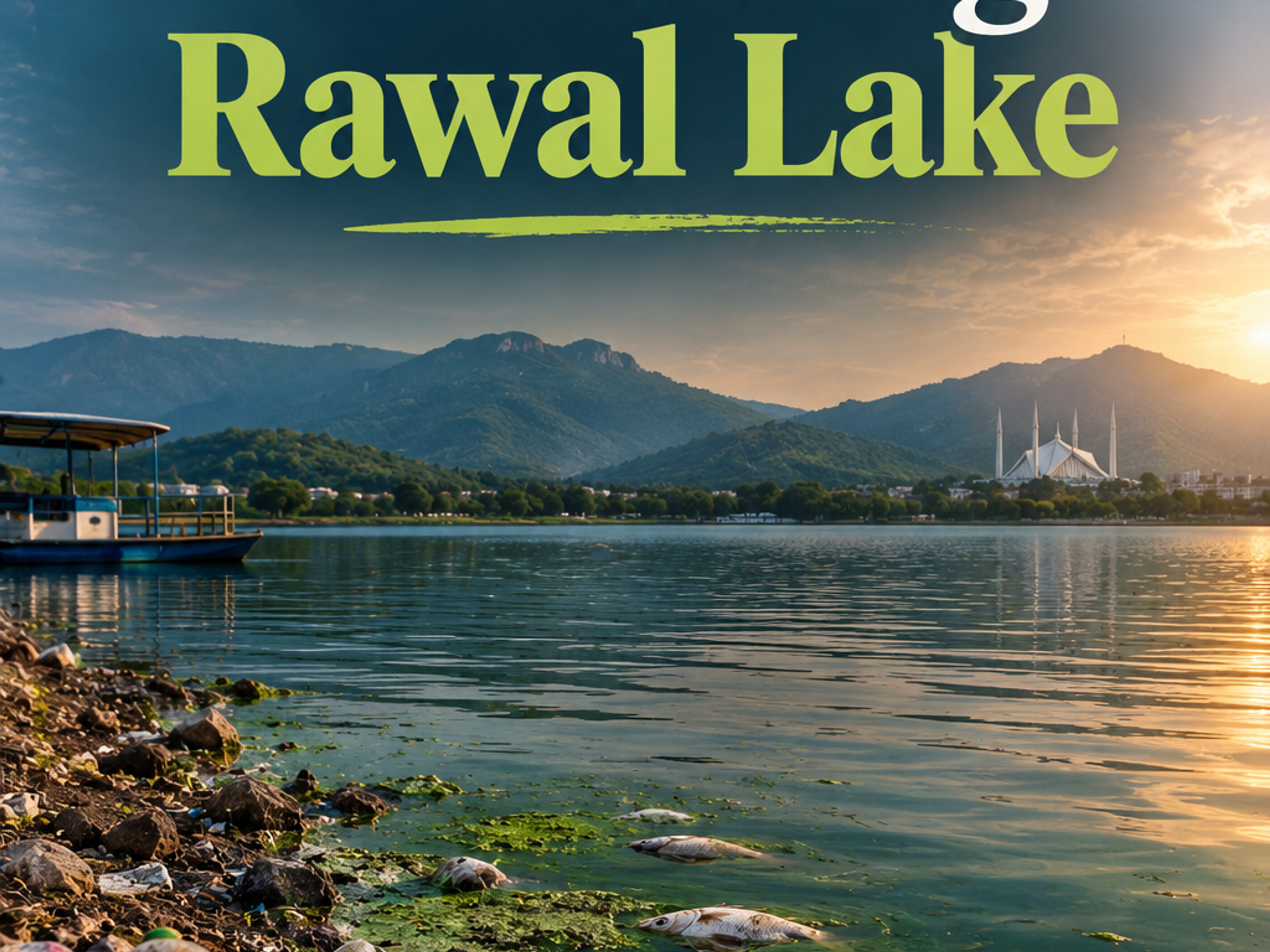
First, many Muslim societies speak about justice globally but fail to practice environmental justice locally—polluted rivers, deforestation, unplanned cities, and unchecked waste are common.
Second, climate vulnerability deepens inequality. The poor, farmers, women, and children suffer first. This contradicts Islam’s emphasis on protecting the weak.
Third, silence erodes credibility. When Muslims do not lead on a crisis that directly harms humanity, faith risks being perceived as ritualistic rather than transformative.
For youth, this is identity-defining. Will Islam be reduced to private worship—or reclaimed as a framework for ethical leadership in a collapsing world?
An Islamic Lens: Stewardship Without Sermons
Islam does not require modern environmental jargon to address climate change. Its principles are already clear:
- Khilafah (Stewardship): Humans are caretakers, not owners, of the Earth.
- Amanah (Trust): Natural resources are a trust passed between generations.
- Mizan (Balance): Excess, waste, and exploitation disrupt the moral order.
- ‘Adl (Justice): Those least responsible should not suffer the most.
The Prophet ﷺ lived lightly on the Earth—conserving water, discouraging waste, respecting animals and land. Classical Muslim civilizations designed cities, irrigation systems, and public spaces with sustainability in mind—not as activism, but as normal ethics.
Climate action, therefore, is not an imported agenda. It is a return.
Global & Pakistani Context: Why This Matters Here
Pakistan is among the top ten most climate-vulnerable countries in the world. Floods, heatwaves, glacial melt, and water scarcity are no longer future threats—they are current realities.
Yet climate education remains weak. Universities rarely integrate sustainability into curricula beyond token seminars. Career counseling rarely mentions green skills. Mosques and student societies often avoid the topic altogether.
This is a missed opportunity. Pakistan’s youth bulge could become:
- Climate researchers
- Green entrepreneurs
- Ethical policymakers
- Sustainable urban planners
—or remain reactive victims of decisions made elsewhere.
Ethical Tensions & Trade-offs
Climate action raises difficult questions:
- Development vs sustainability
- Jobs vs emissions
- National interest vs global responsibility
Islam does not deny these tensions—it demands honest balancing, not denial. Ethical leadership means transitioning wisely, not clinging blindly to destructive models.
For oil-rich Muslim states, this means investing sovereign wealth in green transitions—not just luxury assets abroad. For poorer states, it means demanding climate justice while reforming governance. For students, it means refusing apathy disguised as realism.
Action Framework
You don’t need to be an activist to be responsible. Start here:
1. Build Climate Literacy
- Understand climate basics, especially Pakistan-specific risks
- Follow credible research, not social media panic
2. Connect Faith to Reality
- Reflect on environmental ethics in Islam
- Challenge the false divide between “deen” and “dunya”
3. Skill Up for the Future
- Explore green skills: data, policy, ESG, renewable energy, urban planning
- Climate careers are not charity—they’re opportunity
4. Act Locally
- Campus sustainability initiatives
- Water, waste, and energy awareness projects
- Student-led discussions that avoid blame, focus on solutions
5. Demand Better
- Ask universities about sustainability policies
- Push student societies and khutbah spaces to address climate justice
Leadership begins long before authority.
Closing Reflection: From Concern to Responsibility (≈120 words)
Climate change is not testing technology alone—it is testing character. For Muslim youth, this moment demands more than outrage or despair. It demands clarity: about values, priorities, and responsibility.
You may not control global emissions or international summits. But you control whether faith remains symbolic—or becomes lived ethics. History remembers those who acted early, not those who waited for permission.
The Muslim world does not lack resources. It lacks moral urgency. And that urgency must now come from its youth—educated, faithful, and grounded in reality.
The question is no longer “Is this our problem?”
The question is: “Who will answer, if not us?”