The second week of the US-Israeli war on Iran has already produced one clear lesson: regime-change fantasies often unravel upon contact with reality. The assassination of Iran’s long-time supreme leader, Ayatollah Syed Ali Khamenei, along with several senior commanders in the opening strikes was widely interpreted in Washington and Tel Aviv as the beginning of the end for the Islamic Republic. Yet events since then suggest the opposite. Rather than collapsing, the Iranian regime has demonstrated resilience, quickly reorganising its leadership and rallying much of the population behind it.
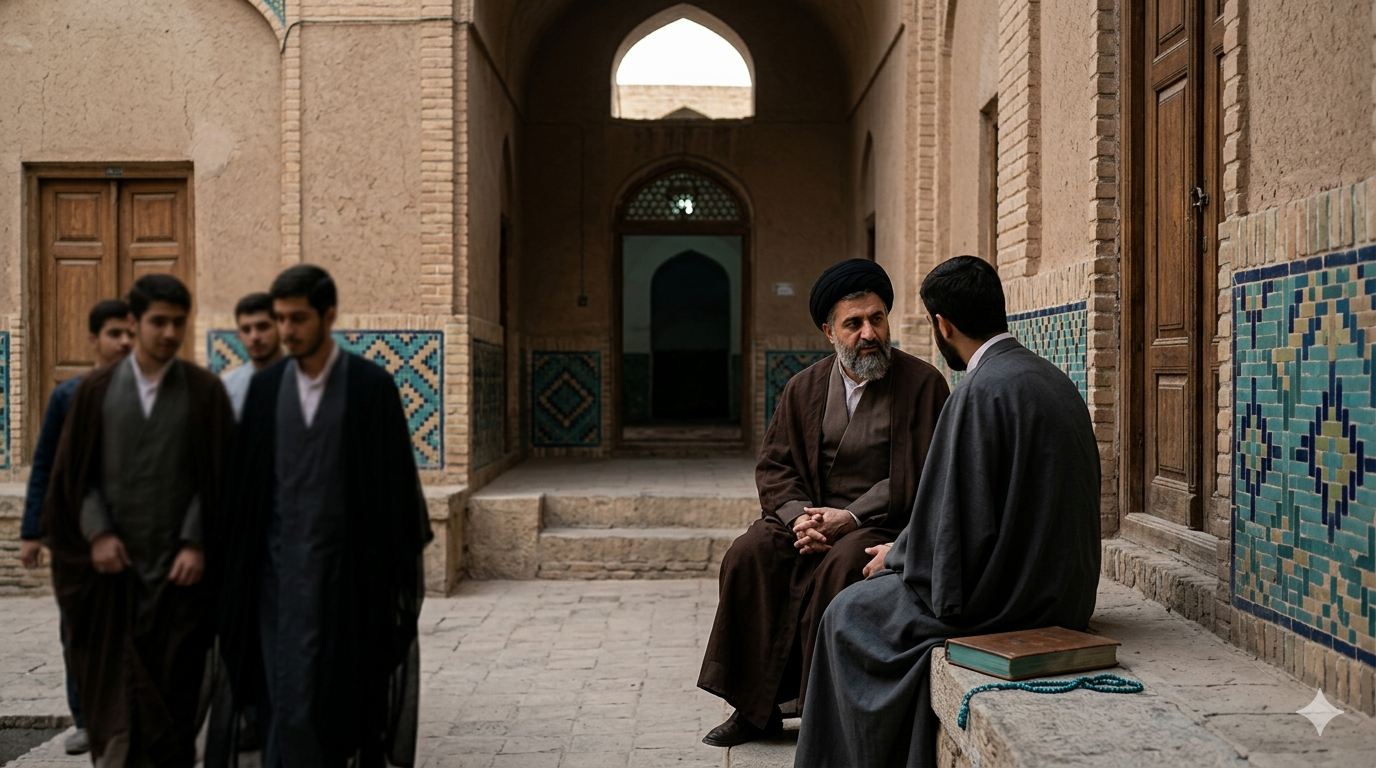
Within days of Khamenei’s assassination, Iran’s powerful clerical body, the Assembly of Experts, elected his son, Mojtaba Khamenei, as the country’s new supreme leader. The choice may appear controversial because the Islamic republic has always rejected hereditary succession as a principle of governance. Nevertheless, the “decisive vote” sent out two important messages: defiance toward external pressure, and continuity within the political system. Mojtaba Khamenei, a mid-ranking cleric educated in the seminaries of Qom and a veteran of the Iran-Iraq war, has long been regarded as an influential figure behind the scenes. Although he never held a formal government office, he cultivated close ties with the powerful Islamic Revolutionary Guard Corps, which now forms the backbone of Iran’s military and political establishment. In times of war, such connections matter more than formal titles. His elevation, therefore, appears less an accident of family ties and more a strategic attempt to preserve cohesion at the top of the Islamic Republic.
READ MORE: Iran names Khamenei’s son Mojtaba as new supreme leader
For the United States and Israel, however, the orderly succession has complicated the narrative that the Iranian regime was on the verge of implosion. President Donald Trump has publicly criticised the choice, saying that he should have a say in who leads Iran—an assertion that rather crudely reveals the underlying objective of the war: regime change rather than limited military containment. Such statements only reinforce Iranian perceptions that the conflict is existential.
External attacks tend to strengthen regimes that might otherwise face domestic dissent. Iran is no exception. Although many Iranians are dissatisfied with economic hardships and political restrictions, foreign intervention produces a ‘rally-around-the-flag’ effect. The strategic dilemma for Washington and Tel Aviv is therefore stark. If their objective is regime change, the bar for success becomes extremely high: the complete collapse of Iran’s governing system or its unconditional capitulation. Short of that, even a prolonged conflict would be seen as survival, and therefore victory, for Iran. Meanwhile, the risk of further escalation grows with every passing day, potentially engulfing the wider Middle East and destabilising the global economy.
The greatest danger lies in miscalculation. Israeli Prime Minister Netanyahu and President Trump face mounting pressure to deliver decisive results after initiating a conflict whose endgame remains unclear. Out of frustration, they may be tempted to escalate dramatically through strikes on additional strategic targets or even more catastrophic options. Such actions would have unthinkable consequences far beyond Iran. Instead of chasing unrealistic visions of imposed regime change, wiser and influential voices in Washington must help prevent further escalation before the region crosses a point of no return.